
How to Fix Hormonal Imbalance Without Medication

Table of Contents
Understanding Hormonal Imbalance and Why It Happens
Foods That Balance Hormones: A Practical Nutrition Approach
Key Nutrients and Micronutrient Deficiencies to Address
Stress Management for Hormone Regulation
Breathwork and Nervous System Reset Techniques
Sleep, Circadian Rhythm, and Hormone Recovery
Movement and Strength Training for Metabolic Health
Gut Health, the Microbiome, and Hormone Balance
How Long Does It Take to Balance Hormones Naturally
Tracking Progress and When to Seek Professional Support
Building a Data-Driven Symptom Log
Identifying Triggers and Patterns
When to Test with Labs
When to Seek Professional Support
Frequently Asked Questions
Last Updated: October 2, 2026
Understanding Hormonal Imbalance and Why It Happens
A hormonal imbalance occurs when your body produces too much or too little of one or more hormones.
Your endocrine system works like an orchestra. When one instrument plays too loud or too soft, the whole performance suffers.
Conventional medicine compares labs to reference ranges and calls them "normal," but normal isn't optimal. A thyroid reading of 2.5 might fall within range yet leave you exhausted.
Most hormonal imbalances respond to practical changes: nutrition, stress management, sleep, movement, and gut health, allowing you to address hormonal imbalance without medication. These sustainable shifts address root causes instead of masking symptoms.
Foods That Balance Hormones: A Practical Nutrition Approach
Your diet directly shapes hormone production.

Start with protein at every meal. Your body builds hormones from amino acids.
Prioritize fiber-rich vegetables to feed your gut microbiome, which influences estrogen metabolism. Leafy greens, broccoli, Brussels sprouts, and asparagus support detoxification.
Limit processed carbohydrates and added sugar. Blood sugar swings trigger insulin spikes, which disrupt other hormones. This doesn't mean zero carbs.
Pro Tip A practical hack: eat carbs after strength training, not before breakfast. Post-workout muscles absorb glucose efficiently without triggering excess insulin. This timing matters more than total carb amount.
Key Nutrients and Micronutrient Deficiencies to Address
Most hormonal imbalances involve micronutrient gaps: progesterone synthesis requires magnesium, thyroid function requires zinc and selenium, and vitamin D deficiency correlates with estrogen dominance.
Common deficiencies to check:
Magnesium, supports progesterone production and stress response
Zinc, essential for thyroid function and immune balance
Vitamin D, regulates estrogen metabolism and immune function
B vitamins, required for cortisol regulation and energy production
Iron, critical for energy and thyroid conversion (especially for menstruating women)
Selenium, protects thyroid tissue from oxidative damage
Food sources work better than supplements for most people, but testing reveals whether you need both. A blood panel shows where you stand so you can prioritize nutrients your body actually needs.
Stress Management for Hormone Regulation
The problem isn't stress itself, it's unmanaged stress. You can change how your nervous system responds to it.
Reduce decision fatigue by batching similar tasks, wearing the same thing, and eating similar meals. This frees mental energy for what matters.
Set boundaries around work. Constant notifications keep cortisol elevated. Check email at set times, not constantly. Turn off notifications after 6 PM.
Watch Out Working through lunch or skipping meals while stressed is a hormonal disaster. Your body interprets this as famine. Cortisol stays elevated, and your metabolism shifts into storage mode. Eat regular meals even when busy.
Breathwork and Nervous System Reset Techniques
Your breath directly controls your nervous system. Slow breathing activates the parasympathetic response, the state where hormone recovery happens.
Try the 4-7-8 technique: breathe in for 4 counts, hold for 7, exhale for 8, five times twice daily.
Box breathing also works: inhale for 4, hold for 4, exhale for 4, hold for 4, repeated for two minutes.
Practice these when stressed, not just when relaxed. Your nervous system needs practice recognizing safety signals.
Sleep, Circadian Rhythm, and Hormone Recovery
Most people wreck this with artificial light and irregular schedules. Your circadian rhythm doesn't adapt to modern chaos.
Go to bed and wake at the same time daily, even weekends.
Dim lights two hours before bed.
Keep your bedroom cool and dark. Aim for 65-68°F. Darkness triggers melatonin production.
Avoid caffeine after 2 PM. Caffeine has an 8-10 hour half-life.
Key Takeaway Your sleep schedule matters more than sleep duration. A consistent 6.5 hours at the same times beats irregular 8-hour nights. Consistency teaches your endocrine system when to release hormones.
Movement and Strength Training for Metabolic Health
Exercise shapes hormonal health: strength training increases insulin sensitivity, cardio reduces inflammation, and both lower cortisol when done appropriately.
The key is not overdoing it. Excessive exercise without recovery elevates cortisol and suppresses thyroid function.
Aim for 2-3 strength training sessions weekly, focusing on compound movements: squats, deadlifts, rows, and presses.
Add 150 minutes of moderate cardio weekly, spread across the week (the CDC). Walking counts. So does cycling, swimming, or dancing. The goal is movement you'll actually do consistently.
Include one complete rest day. Your body adapts and rebuilds during rest, not during exercise.
Gut Health, the Microbiome, and Hormone Balance
Your gut microbiome directly regulates estrogen levels through the estrobolome, bacteria that metabolize estrogen.
Dysbiosis also increases intestinal permeability, triggering inflammation and autoimmune responses that disrupt hormones.
Eat diverse plant foods, your microbiome thrives on variety.
Reduce ultra-processed foods and added sugar. These feed harmful bacteria and starve beneficial ones.
Consider a quality probiotic if you've taken antibiotics recently or have digestive symptoms.
How Long Does It Take to Balance Hormones Naturally
Hormonal rebalancing takes time, your body didn't develop an imbalance overnight.
Most people notice initial changes within 2-4 weeks: better sleep, stable energy, and improved mood from nervous system and blood sugar improvements.
Deeper hormonal shifts take 8-12 weeks, when metabolism improves, brain fog clears, and weight stabilizes as your body rebuilds hormone receptor sensitivity.
Full rebalancing often takes 3-6 months, longer for those imbalanced for years.
The timeline varies based on severity, age, and how consistently you implement changes.
Best For People committed to consistency see the best results. Sporadic effort produces sporadic results. Daily practices compound into visible changes over weeks.
Tracking Progress and When to Seek Professional Support
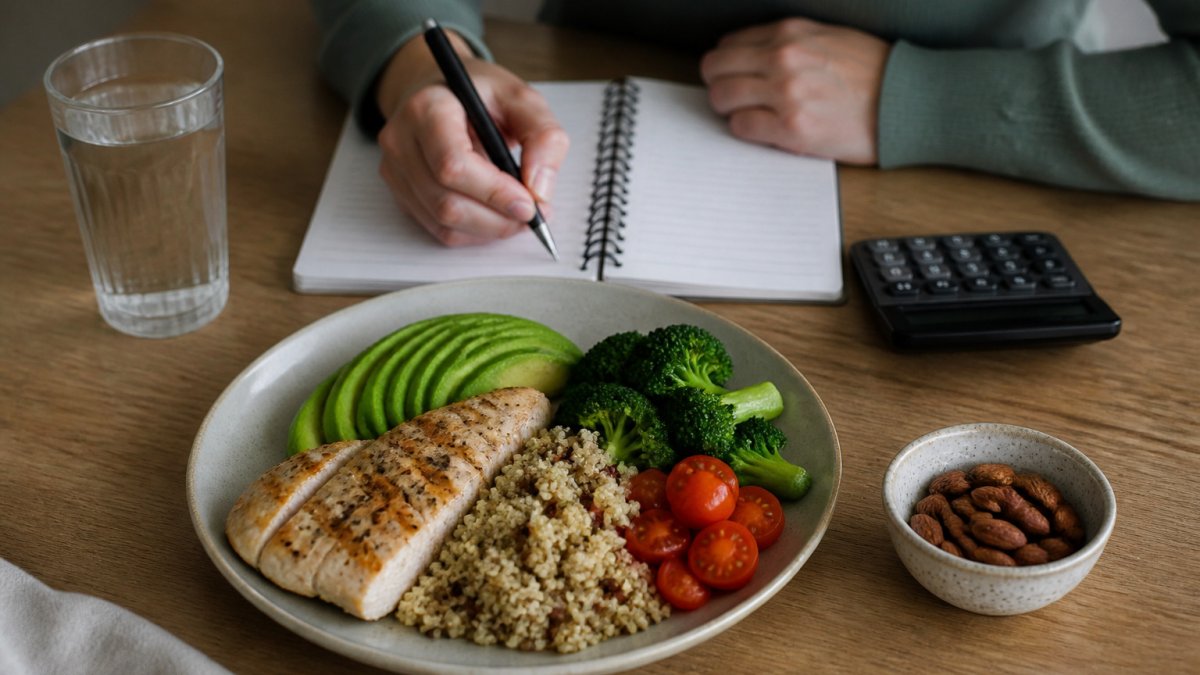
You don't need labs to track progress, but you need a system. Vague observation is unreliable; specific tracking reveals which changes work and which triggers worsen symptoms.
Building a Data-Driven Symptom Log
The goal is to identify patterns: which foods, stress levels, sleep schedules, or activities correlate with symptom improvement or worsening. Symptoms often cluster around specific times, menstrual cycle phase, time of day, or days after a stressor.
Start with a simple daily log. Use a spreadsheet, notes app, or dedicated cycle-tracking app. Record these metrics daily:
Energy and Mood (rate 1-10 each)
Morning energy upon waking
Afternoon energy (3 PM slump indicator)
Overall mood (anxiety, irritability, depression, or stability)
Brain fog or mental clarity
Sleep Quality (record nightly)
Bedtime and wake time (consistency matters more than duration)
Hours slept
Sleep quality (1-10: did you wake frequently, feel rested?)
Any factors that disrupted sleep (caffeine, screen time, stress, temperature)
Digestion (record daily)
Bowel movement frequency and consistency (Bristol Stool Scale: aim for type 3-4)
Bloating, gas, or cramping (1-10 severity)
Any foods that triggered symptoms
Menstrual Cycle Symptoms (if applicable; record daily)
Cycle day or phase (follicular, ovulation, luteal, menstrual)
Breast tenderness (1-10)
Bloating (1-10)
Cramps (1-10)
PMS mood changes (irritability, anxiety, depression on 1-10 scale)
Flow heaviness (light, moderate, heavy)
Stress and Nervous System (record daily)
Perceived stress level (1-10)
Whether you completed a stress-management practice (meditation, breathwork, time in nature)
Physical tension (neck, shoulders, jaw)
Nutrition and Movement (record daily)
Meals eaten (brief: protein source, vegetables, carbs, fats)
Any foods that triggered symptoms
Exercise type and duration
Whether you took a rest day
Body Metrics (record weekly)
Weight (same time, same day, same conditions; weekly average matters more than daily fluctuation)
Measurements (waist, hips, chest) if weight doesn't shift but body composition does
How clothes fit (often a better indicator than scale weight)
Skin clarity (acne often worsens with hormonal imbalance)
Identifying Triggers and Patterns
After 2-3 weeks of logging, patterns emerge. Look for:
Symptom clusters: Do energy crashes always follow certain meals? Does anxiety spike on days you skip exercise? Does bloating worsen during specific cycle phases?
Timing correlations: If you track sleep and mood, you'll likely see that inconsistent bedtimes worsen next-day anxiety more than total hours slept.
Food triggers: Log what you eat alongside symptoms.
Cycle phase sensitivity: If you menstruate, track symptoms against cycle day.
Stress-hormone feedback: High stress often precedes poor sleep, which worsens next-day mood and food cravings, which triggers blood sugar dysregulation.
When to Test with Labs
Labs confirm whether your changes worked and identify imbalances you might have missed. Test after 8-12 weeks of consistent lifestyle changes.
Baseline tests (before starting changes):
Fasting glucose and insulin (reveals insulin resistance)
Thyroid panel: TSH, free T4, free T3, TPO antibodies, thyroglobulin antibodies
Cortisol (morning cortisol, or 4-point cortisol curve if available)
Estrogen, progesterone, testosterone (timing depends on cycle phase)
Prolactin (elevated prolactin can suppress progesterone and cause irregular cycles)
Micronutrients: magnesium, zinc, vitamin D, B12, folate, iron panel, selenium
Follow-up tests (after 8-12 weeks):
Repeat the same tests to measure change
Fasting glucose and insulin often improve first (4-8 weeks)
Thyroid function and cortisol take longer (8-12 weeks)
Hormone levels may take 3-6 months to fully rebalance
Start with observation and lifestyle changes to manage hormonal imbalance without medication, labs are confirmation, not permission.
When to Seek Professional Support
Seek professional guidance if:
You've tracked consistently for 8-12 weeks with no improvement. This suggests either a deeper imbalance (thyroid autoimmunity, insulin resistance, PCOS) or a missing piece (undiagnosed food sensitivity, unresolved trauma, medication side effects) that requires professional assessment.
You have diagnosed thyroid disease, PCOS, endometriosis, or other endocrine conditions. These require personalized protocols beyond general recommendations.
You're on medications that affect hormones (birth control, antidepressants, corticosteroids, beta-blockers). These require careful monitoring and may need adjustment as your lifestyle changes.
You suspect severe deficiencies: extreme fatigue despite adequate sleep, significant hair loss, severe mood disorders, or amenorrhea (absent periods) for more than 3 months.
You want to transition off hormonal birth control or HRT safely. This requires a tapering protocol and close monitoring because your body needs time to restart its own hormone production.
Your symptoms are worsening or new symptoms appear. This may indicate an autoimmune condition, infection, or other condition that lifestyle alone cannot address.
A functional medicine practitioner can order comprehensive testing, identify root causes, and build a personalized protocol tailored to your specific imbalances and health history. They can also monitor your progress and adjust recommendations as your body rebalances.
Best For The most successful outcomes come from combining self-monitoring (your daily log) with professional guidance (testing and personalized protocols). You provide the data; the practitioner interprets it and fills in the gaps you can't see alone.
Frequently Asked Questions
Can you fix hormonal imbalance naturally?
Yes, many hormonal imbalances respond to natural lifestyle interventions, especially when caught early. Nutrition, stress management, sleep quality, and physical activity directly influence your endocrine system and cortisol, insulin, and estrogen levels. However, severity matters. Severe thyroid dysfunction or significant estrogen dominance may require professional evaluation. A functional medicine practitioner can determine whether your imbalance can be managed through lifestyle alone or if additional support is needed.
What foods that balance hormones should I prioritize?
Focus on anti-inflammatory, nutrient-dense foods: fatty fish rich in omega-3s (salmon, sardines), cruciferous vegetables (broccoli, Brussels sprouts), leafy greens (spinach, kale), nuts and seeds (flaxseeds, pumpkin seeds), and protein-rich options (eggs, legumes). These support blood sugar regulation, reduce endocrine disruptors, and provide micronutrients your hormones need. Limit processed foods, refined sugars, and excess caffeine, which spike blood sugar and stress your adrenal health.
How long does it take to balance hormones naturally?
Most people notice initial shifts in energy, sleep quality, or mood within 2-4 weeks of consistent lifestyle changes. However, meaningful hormonal rebalancing typically takes 8-12 weeks or longer, depending on the severity of your imbalance and how long it's been present. Your menstrual cycle (if applicable) may take 2-3 cycles to regulate. Tracking symptoms and working with a functional medicine practitioner helps you stay accountable and adjust your approach as needed.
What lifestyle changes have the biggest impact on hormone regulation?
Sleep hygiene and stress management are the two most powerful levers. Chronic stress elevates cortisol, which disrupts your entire endocrine system. Poor sleep directly impairs hormone production and circadian rhythm. Combined with anti-inflammatory nutrition and regular strength training, these three changes create the foundation for homeostasis. Weight management, gut microbiome health, and reducing exposure to endocrine disruptors amplify results further.
BOOK A FREE DISCOVERY CALL


Comments